
Is your HVAC system leaking water? This common issue can cause concern for homeowners. Water leaks in HVAC systems can lead to damage if not addressed promptly. If you’re worried about an HVAC system leak, acting early reduces the risk of water damage.
Understanding the causes of these leaks is crucial. They can stem from clogged drains, dirty filters, or low refrigerant levels.
Detecting a leak early can save you from costly repairs. Regular maintenance and inspections are key to preventing leaks. Basic HVAC leak detection steps, combined with routine checks, make problems easier to spot.
In this guide, we’ll explore the reasons behind HVAC water leaks. We’ll also provide tips for detection, maintenance, and repair.
By the end, you’ll know how to keep your HVAC system running efficiently and leak-free.
Common Causes of Water Leaks in HVAC Systems
Water leaks in your HVAC system can arise for several reasons. It’s crucial to understand these causes to address the problem effectively. Let’s explore the most frequent culprits.
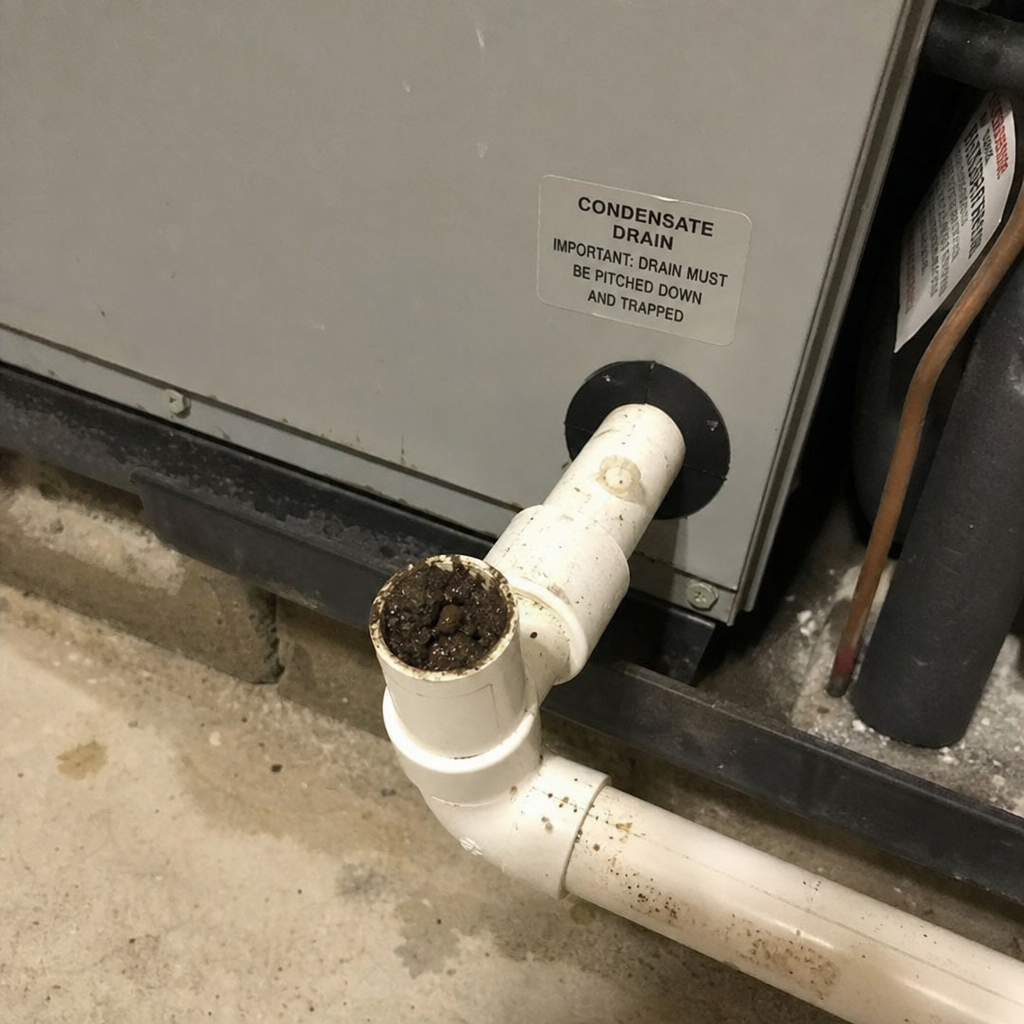
A clogged condensate drain is often to blame for leaks. Over time, debris can block the drain, causing water to back up. Regular cleaning can prevent this issue.
Dirty air filters also contribute to water leaks. When filters are clogged, airflow is restricted, causing the evaporator coil to freeze. Eventually, when the coil thaws, it may leak water. This kind of air conditioning leak often starts small and becomes more noticeable over time.
Low refrigerant levels are another common cause. They can lead to coil freezing, similar to dirty air filters. Checking refrigerant levels regularly can prevent this.
Improper installation of HVAC systems can lead to leaks as well. If components aren’t correctly aligned, water may leak from the system.
Other factors include:
- Cracked or rusted drain pans
- Faulty condensate pumps
- Incorrect drainage slope
Each of these issues can result in water leaks if not properly managed. Understanding these causes helps in identifying the exact problem with your system.
Regular maintenance checks can help spot these common issues early. By keeping your system in good shape, you can avoid unexpected water leaks and costly repairs.
How to Detect a Leak in Your HVAC System
Detecting a leak in your HVAC system early can save you significant trouble. Water leaks often provide visible clues, so regular inspections are valuable. Think of this as simple, proactive HVAC leak detection you can do at home.
Begin by checking for water pooling around your indoor unit. This is a strong indicator that there might be a leak. Inspect the area carefully and take note of any wet spots.
Next, examine the condensate drain line for obstructions. A blockage in this line often leads to water backing up into the system. Keeping this line clear is critical for leak prevention.
Listen for any unusual noises like hissing, which could suggest a refrigerant leak. Such sounds often indicate escaping refrigerant and should not be ignored.
Key steps for detection include:
- Inspecting for water stains on ceilings
- Checking for rust or corrosion around unit parts
- Ensuring the HVAC unit is level
Catching leaks early helps prevent major water damage and keeps repair costs down. Regular system checks are a wise practice for any homeowner experiencing a potential HVAC system leak.
Step-by-Step HVAC Leak Detection and Troubleshooting Tips
Tackling HVAC leaks might seem daunting, but breaking it down helps. Start with simple visual inspections. Consider these HVAC troubleshooting tips as a quick starting point.
First, ensure all outdoor unit components are in good condition. Look for signs of wear or rust that might lead to leaks. This step is crucial for identifying potential problems before they worsen.
Inspect the air filter to check if it’s clean. A dirty filter can cause the unit to freeze and defrost improperly, leading to leaks. Replace it if it’s clogged with debris or dust.
Next, carefully review your thermostat settings. Incorrect settings can strain the system, potentially causing leaks. Adjusting them may improve the system’s overall performance.
Check the evaporator coil for frost buildup. If it’s frozen, a low refrigerant level might be the culprit. Allowing it to thaw can reveal more about what’s wrong.
Take note of any strange smells. A musty odor could point to water accumulation within the system. Investigate immediately to prevent mold growth.
Key steps in HVAC troubleshooting include:
- Ensuring condensate pump functionality
- Examining ductwork for leaks or gaps
- Maintaining a clear drainage slope
By following these guidelines, you can effectively troubleshoot and address the source of leaks. Regular practice leads to confidence and better system maintenance.
DIY Solutions for Minor HVAC Water Leaks
Addressing minor HVAC water leaks doesn’t always require professional help. There are simple fixes homeowners can try on their own. Even a small leak in HVAC system components can often be managed with careful DIY steps.
Begin by cleaning the condensate drain line. A blockage in this line is a common cause of leaks. Use a wet/dry vacuum to suction out any clogs effectively.
Next, inspect the drain pan. Cracks or rust can lead to water overflow. If damaged, you can temporarily seal minor cracks with water-resistant epoxy while waiting for a replacement.
Keep air filters clean by replacing them every few months. This prevents blockages that can cause leaks. Plus, clean filters increase HVAC efficiency.

Consider using a dehumidifier in overly humid spaces. This reduces overall moisture and lessens the system’s workload, resulting in fewer water leaks over time.
Key DIY tips to address minor leaks include:
- Regularly check the system for rust or corrosion
- Inspect any hoses for tight connections
- Ensure your HVAC unit is level to prevent uneven operation
By implementing these straightforward solutions, you can resolve minor issues and maintain your HVAC system’s efficiency. Simple habits can help prevent costly repairs in the future.
When to Call a Professional: Signs You Need Expert Help
Some HVAC issues require professional intervention. Knowing when to call an expert can prevent worsening problems.
If you notice frequent leaks that DIY fixes don’t resolve, it’s time to contact a technician. Persistent issues might indicate underlying problems like refrigerant leaks or faulty components. In many cases, timely refrigerant leak repair and testing will restore performance.
Unusual noises coming from your unit can signal deeper mechanical faults. Expert diagnosis is necessary to prevent further damage. Don’t risk handling these complex issues on your own.
Signs you need a professional include:
- Water leaks with mold growth
- Frequent system shutdowns
- Unexplained spikes in energy bills
By calling a professional, you ensure thorough repairs and maintain the efficiency of your HVAC system. Professional help can save you time and costly repairs in the long run.
Preventing Future Leaks: Essential HVAC System Maintenance
Regular HVAC system maintenance is key to preventing future leaks. It ensures your unit operates efficiently year-round.
Start by changing air filters every one to three months. Clogged filters can cause the system to overheat and lead to leaks.
Next, inspect the condensate drain line for clogs or blockages. Clearing these regularly prevents water from backing up and leaking.
Furthermore, scheduling annual professional inspections can catch early signs of wear. A technician can identify potential issues like rusted drain pans or low refrigerant levels.
Incorporate the following maintenance tasks:
- Replace air filters routinely
- Clean the evaporator coil
- Inspect and clear the condensate drain line
- Schedule annual professional check-ups
- Ensure proper airflow and insulation

By following these steps, you reduce the risk of leaks. Not only will your system function more reliably, but you’ll also enhance its lifespan.
Regular care and attention help avoid costly repairs. Proactive maintenance safeguards your home from water damage and keeps your HVAC system efficient.
HVAC Efficiency Tips to Reduce Leak Risks
Improving HVAC efficiency can significantly reduce the risk of leaks. Efficient systems run smoothly, exerting less strain on components. The following HVAC efficiency tips can also improve comfort and cut energy waste.
One key tip is to seal and insulate ductwork. Properly sealed ducts prevent air loss, ensuring the system operates at peak efficiency.
Another important step is to maintain balanced humidity levels. Excess humidity can increase condensation, leading to potential leaks.
Incorporate smart technology like programmable thermostats. These devices help maintain consistent temperatures, reducing unnecessary system cycling.
Consider these efficiency tips:
- Seal and insulate ductwork
- Use a programmable thermostat
- Maintain balanced indoor humidity
- Ensure proper system size for the space

By implementing these tips, you not only prevent leaks but also enhance comfort and reduce energy bills. An efficient HVAC system not only works better but also lasts longer, providing greater value over time.
Understanding Refrigerant Leaks and Repair Options
Refrigerant leaks can drastically affect HVAC performance. Low refrigerant levels lead to reduced cooling and increased energy consumption.
Identifying signs of a refrigerant leak is crucial for timely repairs. Hissing sounds, decreased cooling efficiency, and ice buildup are warning indicators.
When a leak is suspected, it’s vital to seek professional repair. Certified HVAC technicians can accurately detect the source and ensure correct refrigerant levels. Ask about targeted refrigerant leak repair to address damaged lines or fittings.
Consider the following repair options for refrigerant leaks:
- Professional leak detection
- Sealing and repairing leaks
- Recharging refrigerant to recommended levels

Regularly scheduled maintenance can help prevent refrigerant leaks. An efficient system not only performs better but also safeguards against unexpected failures. Always prioritize professional help for effective leak resolution.
Protecting Your Home and HVAC Investment
Taking proactive steps to maintain your HVAC system can safeguard your home. Regular checks and scheduled maintenance prevent costly repairs.
By addressing issues early, you minimize risks of leaks and inefficiencies. Invest in professional inspections to protect your HVAC system and ensure longevity. With these practices, you enhance comfort and preserve your home’s value while reducing potential damages from leaks. Prioritizing maintenance is a wise choice for peace of mind.
Frequently Asked Questions About HVAC System Leaks
Why is my HVAC system leaking water?
This is often due to clogged drain lines or dirty filters. Improper system installation can also be a factor.
Can I fix an HVAC leak myself?
Minor leaks, like a blocked drain line, can be tackled with simple DIY methods. However, seeking professional help for major issues is recommended.
Key DIY Tasks:
– Check the air filter
– Clear the condensate drain line
– Inspect for obvious leaks
– Understanding when to call in professionals can prevent more severe damage. Regular maintenance minimizes the likelihood of leaks reoccurring.
